


Pipeline Infrastructure Nigeria Limited (PINL) has expressed strong support for the resumption of crude oil production in Ogoniland, describing it as a strategic national priority that must be pursued through inclusive and sustainable frameworks.
The company made its position known during its monthly stakeholders’ meeting held in Port Harcourt, Rivers State, where it highlighted the economic and developmental importance of restarting oil operations in the area after more than three decades of inactivity.
PINL noted that Ogoniland, covered under Oil Mining Lease (OML) 11, has the potential to produce over 500,000 barrels of crude oil per day adding that the continued shutdown of operations since 1993 has resulted in estimated revenue losses exceeding $226 billion, underscoring the urgency of resumption.
The firm, however, stressed that the process must go beyond production targets and be anchored on community participation, environmental sustainability, and transparency.
According to PINL, host communities must be fully involved as critical stakeholders in all phases of the resumption process to ensure long-term stability and trust. It also emphasized the need to sustain ongoing environmental clean-up and restoration efforts in the area to address longstanding concerns.
The company further advocated for the adoption of a community-based security framework, noting that its experience in pipeline surveillance across the Niger Delta has demonstrated the effectiveness of local participation in safeguarding oil and gas infrastructure.
PINL also called for economic inclusion of host communities, recommending that residents benefit directly through employment opportunities, contracts, and capacity development initiatives tied to the resumption of operations.
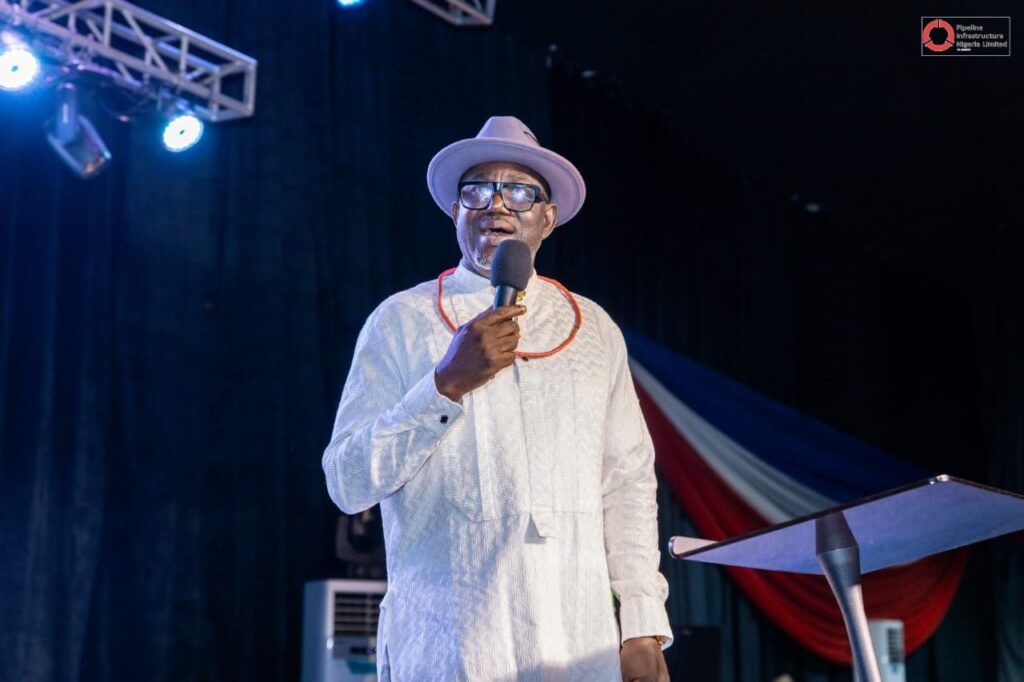
Speaking at the April edition of it monthly stakeholders engagement in Port Harcourt on Wednesday, Dr. Akpos Mezeh, General Manager, Community and Stakeholder Relations of PINL reaffirmed the company’s readiness to support the process by deploying its expertise in stakeholder engagement and infrastructure protection to ensure a peaceful and secure operating environment.
“At PINL, we stand ready to support this process by applying our experience in stakeholder engagement and infrastructure protection to ensure a peaceful, secure, and sustainable resumption, ” he said.
Mezeh lamented the over 32 years of inactivity in the area saying, “Available data shows that over $226.734 billion, has been lost due to the suspension of crude oil production from 96 oil wells in Ogoni land over the past 32 years. This clearly underscores both the economic cost of inaction and the immense opportunity that lies ahead”.
“The position of PINL aligns with growing calls from stakeholders in the Niger Delta for the Federal Government to restart oil production in Ogoniland in a manner that balances economic benefits with environmental justice and community interests”.
Oil production in Ogoniland was halted in 1993 following widespread unrest and environmental concerns linked to decades of oil exploration activities.
Industry observers say any successful resumption will depend on building trust among stakeholders, addressing environmental issues, and ensuring that host communities play a central role in decision-making.
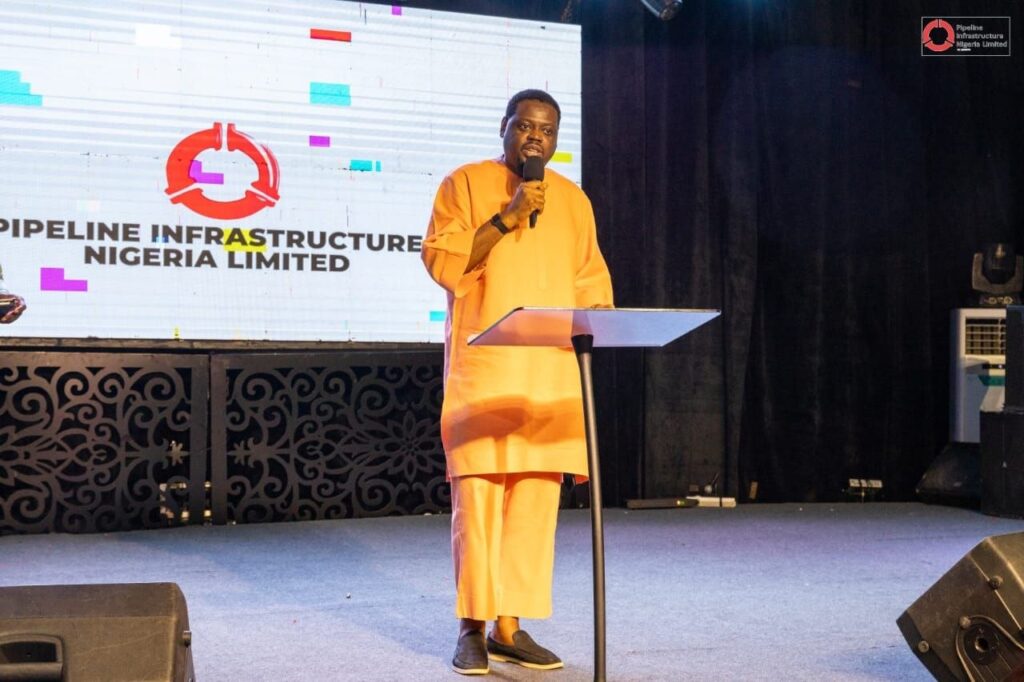
PINL maintained that with the right approach, the resumption of oil production in Ogoniland could significantly boost Nigeria’s output, increase national revenue, and contribute to broader economic growth.
On his part, Chief Seargent Awuse, Nye-Nwe-Eli of Emohua Kingdom corroborated PINL’s call for resumption of oil exploration in Ogoniland. He said the federal government should be serious and emplace concrete steps to ensure the actualization of exploration activities in the area.
The monarch however, commended PINL for its continues engagement with community stakeholders, stressing that such engagements are needed for the safety of the pipelines.
