

Environmental advocates have called for urgent expansion of the cleanup of the Niger Delta beyond ongoing efforts warning that limiting remediation efforts to Ogoniland alone will leave large parts of the oil-producing region in continued ecological ruin.
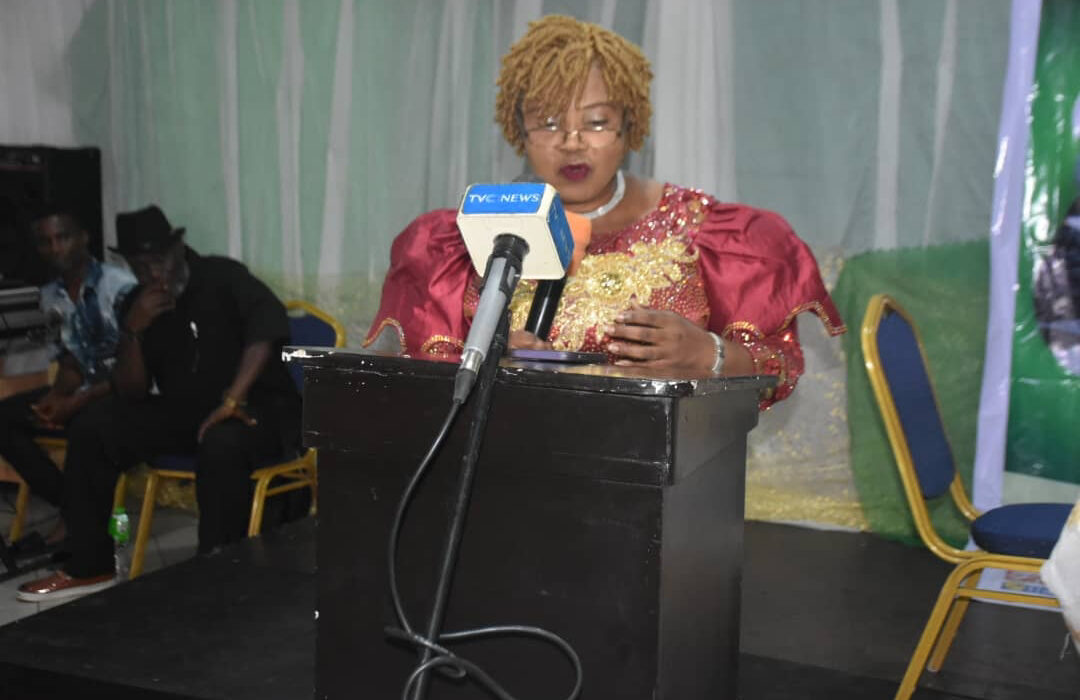
Executive Director of Kebetkache Women Development Centre, Emem Okon, reinforced the call during a keynote address at the Dinner Night of the Correspondents’ Week organised by the Correspondents’ Chapel of the Nigeria Union of Journalists in Port Harcourt.
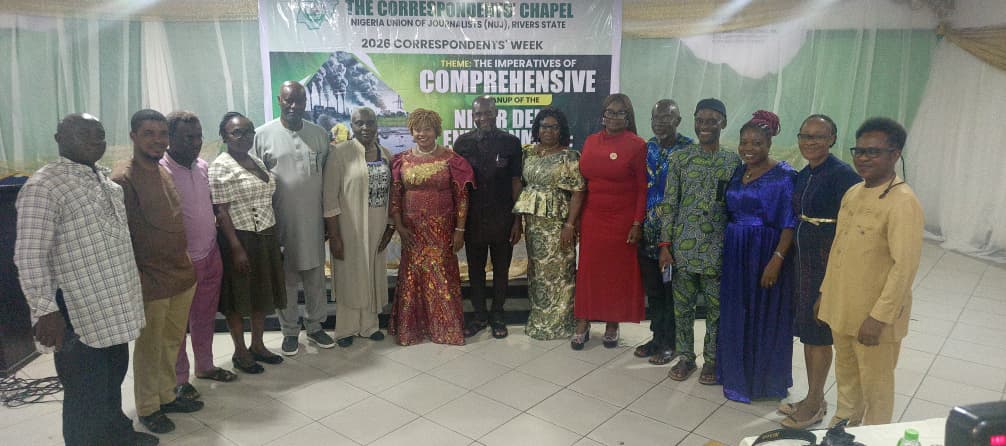
The Week with themed “The Imperatives of Comprehensive Clean-up of the Niger Delta Environment: Role of the Media” was supported by Renaissance Africa Energy Company, Nigeria LNG Limited and Kebetkache Women Development Centre.
Okon told journalists that the Niger Delta crisis required immediate expansion of environmental remediation efforts beyond the Ogoni cleanup project, insisting that delays would worsen pollution and deepen community suffering.
“The media needs to make the government realize that we need to extend the Ogoni cleanup to the entire Niger Delta. We must begin now,” she said.
She referenced findings of the United Nations Environment Programme, UNEP, which estimated that full restoration of Ogoniland could take up to 30 years, arguing that other polluted communities cannot afford to wait until the end of 30 years to have their own areas cleaned.
“The UNEP report said it will take 30 years to have the Ogoni environment restored. We don’t need to wait for 30 years,” she warned.
“We shouldn’t wait till then before we begin to remediate other parts of the Niger Delta. It must begin now.”
Okon also called on journalists to intensify scrutiny of environmental legislation, particularly the Petroleum Industry Act, which she said contains provisions that many host communities do not fully understand.
she said; “Environmental degradation in the Niger Delta demands urgent action”.
“The media should take up the PIA and expose the hidden clauses, investigate and interrogate these things.”
She stressed that independent reporting was critical to closing the gap between policy and implementation, especially in the oil sector where communities often lack access to technical or legal information.
“Independent reporting exposes gaps between policy and practice and when that is done, it strengthens implementation and also builds confidence and power of communities.”
The activist painted a bleak picture of affected communities, saying many residents remain silent despite suffering severe environmental and health consequences due to fear of powerful institutions.
“Communities most affected are often defeated,” she lamented.
“Some of them don’t even know that they can speak out. They abstain because they know that if they speak up they are speaking against very powerful forces — the corporations, the government.”
She said multinational oil companies, government agencies and security structures collectively create a system that discourages community resistance or accountability demands.
Okon also highlighted the direct human impact of long-term pollution in oil-producing communities, sharing testimonies from affected women in the Niger Delta.
“One of the women in Otuabagi said if you cut my waist you will not see blood, you will see crude oil,” she recounted.
The statement underscored what environmental groups describe as extreme levels of contamination in some communities where oil spills and polluted water sources have become part of daily life.
Okon criticised what she described as misplaced government priorities in addressing environmental degradation, warning against symbolic projects that do not address pollution at its root.
“We are told federal government is now building a museum, which to me is another level of deception,” she said.
“Communities will begin to think the museum is going to bring something good for the community and then they will sit and expect, and nothing reasonable will come out.”
She argued that meaningful intervention must focus on environmental restoration, livelihood recovery and pollution control rather than symbolic infrastructure.
Okon urged journalists to take a more active role in translating technical environmental reports and laws into accessible public information, particularly for host communities.
“Many people expect the media to enlighten them. Even the Petroleum Industry Act, some of us just know about the host communities development scheme.
“There are many things in that law that communities are not aware of, and the media should begin to publicize them.”
She also emphasized that journalists are uniquely positioned to bridge communication gaps between communities, government and oil companies.
“The media can reach the government. You can even reach the corporations, but it’s difficult for civil societies to get to those channels.”
“So it’s your responsibility to take our voices and messages down to those corridors.”
Okon further warned that environmental cleanup efforts risk failing if they are not sustained and expanded across all impacted areas of the Niger Delta.
“Clean up is a long-term project. Consistent, factual reporting keeps cleanup on the public agenda and prevents it from stalling,” she said.
She commended the Correspondents’ Chapel for sustaining attention on environmental issues, urging journalists to treat Niger Delta reporting as a long-term public accountability assignment.
“Let this dinner be more than fellowship,” she said.
“Let it be a recommitment to responsible reporting of the Niger Delta environment and ensuring that voices from the communities are echoed where they should reach.”
As calls for expanded remediation grow louder, environmental advocates say the future of the Niger Delta will depend on whether government and industry move from symbolic commitments to sustained ecological restoration across the entire oil-producing region.
