

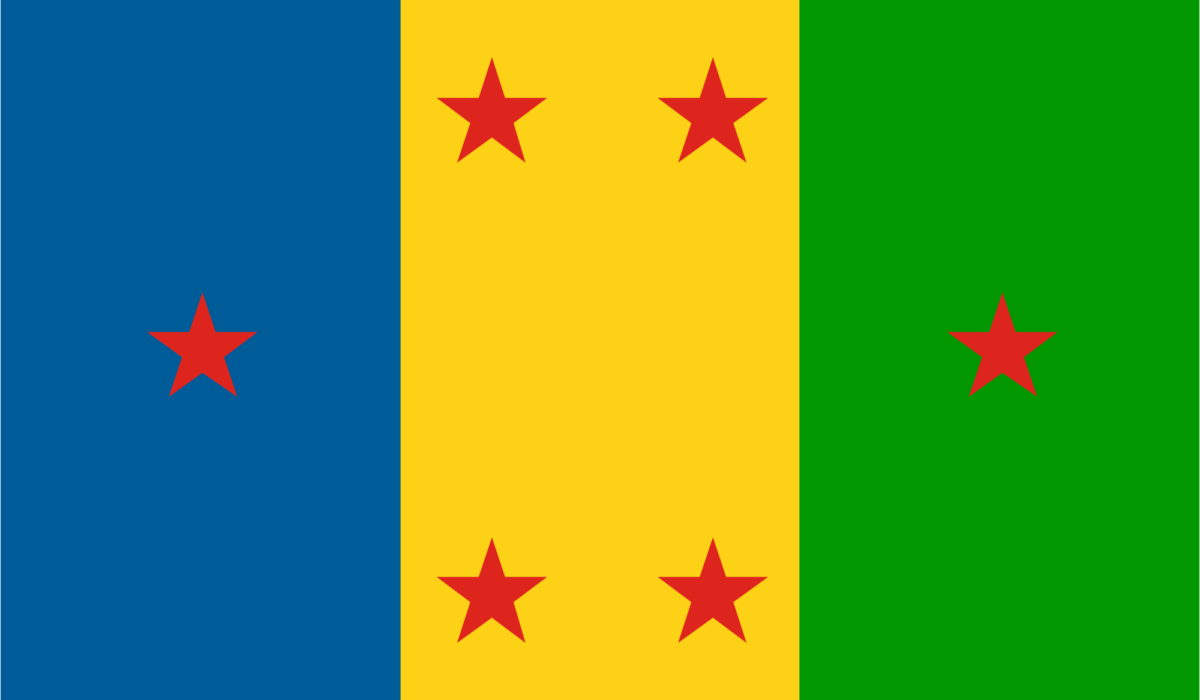
An international conference of the Ogoni to commemorate the 31st anniversary of the execution of Ken Saro-Wiwa and eight other Ogoni leaders has demanded the creation of Bori State as the minimum and non-negotiable condition for the resumption of oil production in Ogoniland.
The conference also insisted that any discussion on oil resumption must address the broader Ogoni question, including political inclusion, environmental restoration, compensation, development and the protection of the rights of the people.
The position was contained in a communiqué issued at the end of a three-day international conference held from November 6 to 8, 2026, at South Haven Tabernacle, Mississippi, United States.
The conference, with the theme, “Towards the Actualisation of the Ogoni Bill of Rights,” attracted traditional rulers, the leadership of the Movement for the Survival of the Ogoni People (MOSOP), women and youth organisations, diaspora representatives, legal practitioners, environmental scientists and international civil society partners.
According to the communiqué signed by the Executive Director, Elder DineBari Augustine Kpuinen, the proposed Bori State would comprise Khana, Gokana, Tai, Eleme and Oyigbo Local Government Areas and their environs, with Bori as its capital.
It added that neighbouring communities, including Andoni, Opobo and Nkoro, would be free to join the proposed state if they voluntarily elect to do so.
The conference maintained that political inclusion and self-government, as provided for in the 1990 Ogoni Bill of Rights, should not be replaced with economic concessions.
It welcomed the Federal Government’s dialogue initiative through the Office of the National Security Adviser but rejected any attempt to force or coerce oil companies’ return to Ogoniland.
The participants insisted that negotiations must be Ogoni-led and inclusive, with adequate representation for women, youths, traditional rulers, diaspora communities and families of the Ogoni Nine.
They further demanded that any agreement reached must be subjected to popular consultation and ratification by an Ogoni National Congress, with clear timelines, funding arrangements, independent monitoring and enforceable dispute-resolution mechanisms.
On Oil Mining Lease 11, the conference rejected any proposed sale, transfer or listing of interests without the consent of the Ogoni people.
It called on the Minister of Petroleum Resources and the Nigerian Upstream Petroleum Regulatory Commission to withhold approval for any transfer of OML 11 interests until outstanding environmental, human rights and decommissioning liabilities had been assessed and adequately secured.
The conference also demanded direct Ogoni equity participation and meaningful representation in the governance of any future oil operations.
On environmental concerns, the participants called for the full implementation of the recommendations of the 2011 United Nations Environment Programme report on Ogoniland, including the provision of safe drinking water, comprehensive health studies and a public health registry.
They also demanded independent verification of environmental restoration before any oil production resumes, as well as a forensic audit of the Hydrocarbon Pollution Remediation Project (HYPREP) funds since the clean-up programme began in 2016.
The communiqué further called for statutory recognition of HYPREP, with MOSOP representation in its governance structure, and annual disclosure of oil companies’ contributions to the Ogoni Trust Fund.
The conference urged the Federal Government to ensure that the proposed dialogue produces measurable outcomes that address the historical grievances of the Ogoni people rather than focusing exclusively on the return of oil exploration.
It concluded that the Ogoni struggle for justice, political inclusion and environmental restoration remained central to any sustainable agreement on the future of oil operations in the area.
